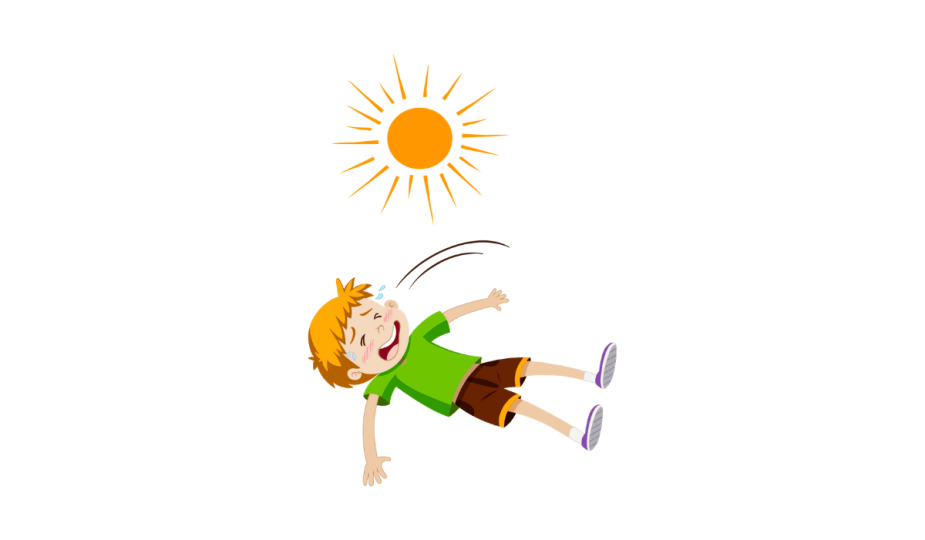
What exactly is heatstroke?
Heatstroke is a potentially fatal condition when your body temperature exceeds 104 degrees Fahrenheit (40 degrees Celsius). It’s probably the result of overexertion in hot, humid conditions.
What causes heatstroke?
High temperatures can cause a loss of water and mineral salts, altering our body’s thermal regulating mechanism. As a result, the body overheats, preventing essential organs from functioning correctly.
Young children under four years old are the most at risk. Their bodies heat up faster than adults because they have less water, don’t sweat, and don’t have a fully developed respiratory system.
A child can suffer from heatstroke whenever they are exposed to situations with humidity and high temperatures without adequate protection or hydration. Although it is most common on hot, sunny days, it can also happen on cloudy or shady days.

In hot weather, excessive physical exertion and long periods of direct sunlight increase the risk of heatstroke.
How to prevent it?
Prevention is the main treatment for heatstroke: don’t put a child in this situation in the first place.
Precaution:
- Hydrate: It is necessary to frequently offer liquids to children (breast in infants) without waiting to ask, especially if they carry out prolonged physical activity. Meals should be light; fresh fruit and vegetables help replenish salts lost from heat.
- Limit physical activity: Children should not be allowed to exercise excessively during the day’s hottest hours (the central hours of the day). Those times, suggest calmer games to avoid dehydration.
- Appropriate clothing: It is best to dress in breathable, light, loose-fitting, light-coloured cotton clothing when it is extremely hot. Don’t forget to cover your child’s head with a soft hat and apply sunscreen whenever they are outside.
- Keep them cool: Keep children in the shade, and if possible, use air conditioning or fans. Bathing or getting wet is recommended regularly.
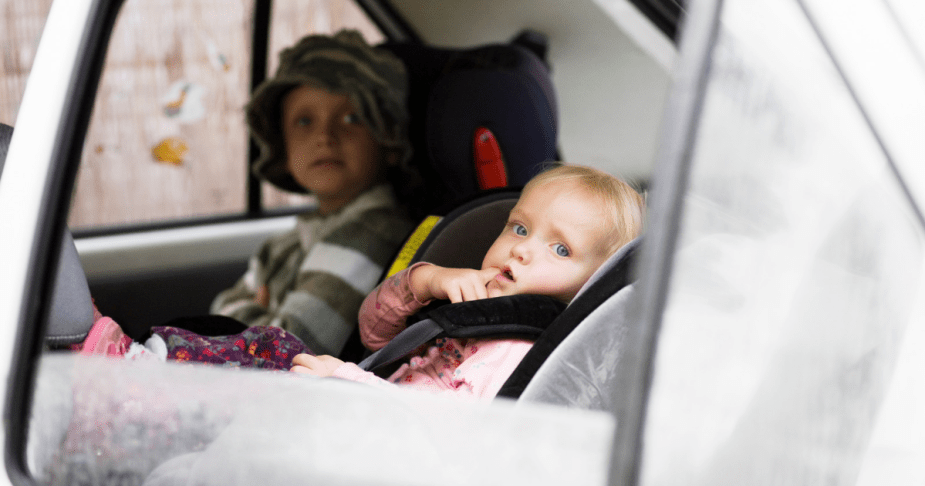
• Do not leave children alone in the car under any circumstances, neither in the sun nor in the shade, even if the windows are open. Vehicles in the summer can reach incredibly high temperatures inside, and it should not be forgotten that it is the cause of fatal heat strokes every summer.
What are the symptoms of heatstroke?
A child suffering from heatstroke may experience dizziness, vomiting, fever over 40°C, headache, and irritability. In the most severe cases, fainting or loss of consciousness may occur. You should also be aware of other symptoms such as dry skin, fatigue, weakness, shallow and rapid breathing, or muscle cramps.
How to act if we suspect it?

Related post: Easy homemade fruit popsicles
We must never forget that heatstroke is an extreme medical emergency. It occurs very quickly (in just a few minutes), and if not treated immediately, it can progress drastically and even lead to death. It is essential to transfer the child to a hospital. But in the meantime, if you are dealing with a child with heatstroke, you should:
• Place them on their backs in the shade, in a calm and ventilated environment.
• Loosen their clothes and remove any excess clothing.
• Apply cold water compresses (not ice) to the head, face, neck, and chest.
• Do not immerse the child in ice water or rub anything that contains alcohol.
Heat exhaustion or heat stroke can be fatal to people of all ages, including children, the elderly, and those with long-term health disorders like diabetes or heart disease. Keep an eye on them.
Image source: Canva










Alpana Deo says:
A very important topic. Heatstroke is quite common among all ages. Summer is the time for outdoors but as you have mentioned, we should be thoughtful about the hours. Along with this, reminding ourselves and our kids to be hydrated.